Heartbeat
Lyanne Quay
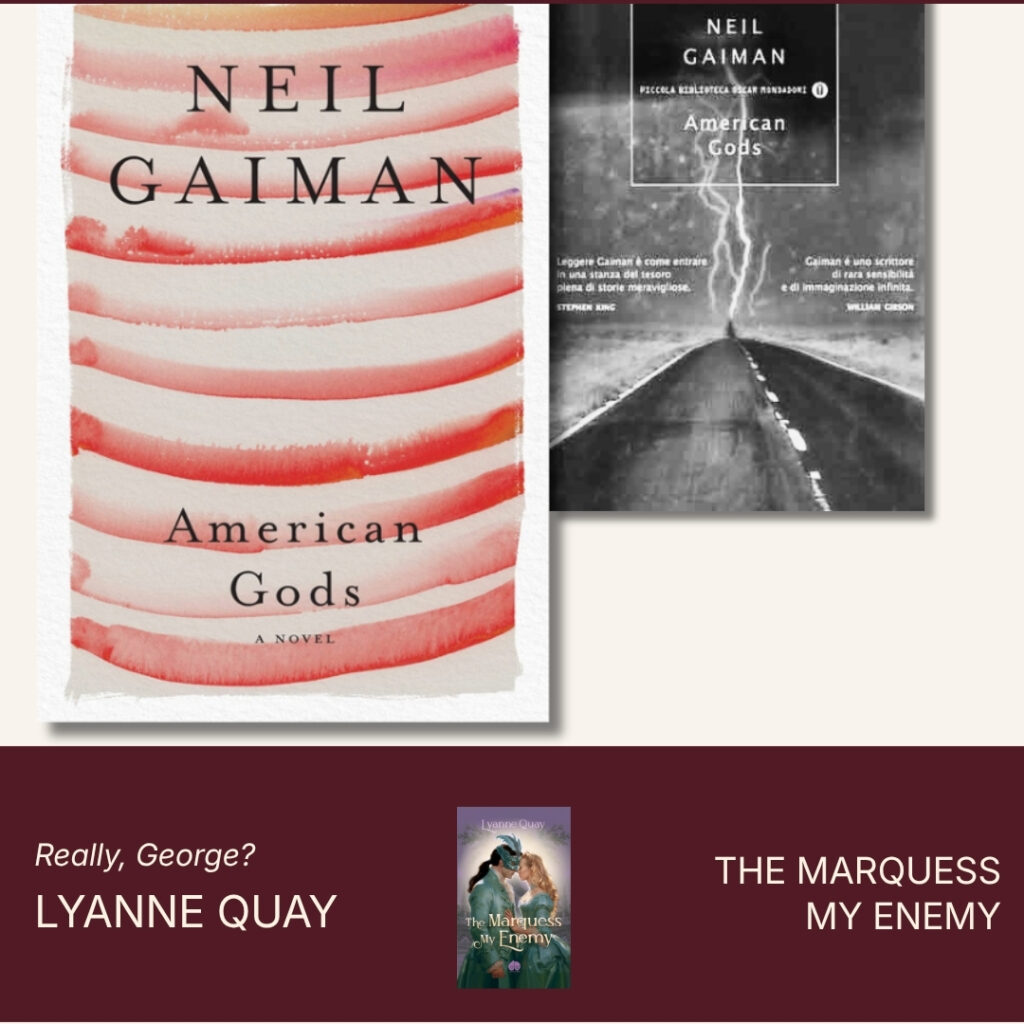
Gaiman, Gods: Shadow, an ex-con, repentant and a man of few words, gets hired by an elderly con man. But under that wide-brimmed hat, the old man is hiding a much older, much heavier identity.

A plot that serves a thesis
The point of reading this one is the subtext, and that’s both the novel’s weakness and its strength. The plot itself ends up being purely instrumental, there to bring out that subtext. It’s an inconclusive journey, meaningful only for the symbolic weight of its characters and events.
Phantasmagoric, steeped in magical thinking
Well written and witty, American Gods‘ greatest achievement is its knack for conjuring archetypes that actually resonate. Once you’ve finished the book, in the days after, you find yourself missing those gorgeous characters of today’s America, called on to carry the original, ancestral gods that half a millennium of immigrants, from every corner of the world, have kept locked away in mind and heart.
Shadow, il galeotto pentito e di poche parole di American Gods di Neil Gaiman, viene assunto da un anziano truffatore, ma sotto l’ampia falda, il vecchio nasconde un’identità più antica e ingombrante.
Plot strumentale al servizio di una tesi
Il senso della lettura sta nel sottotesto, debolezza e forza del romanzo.
La trama, infatti finisce per essere solo strumentale per evidenziare appunto il sottotesto. È un periplo inconcludente significativo solamente per il valore simbolico di personaggi ed eventi.
Fantasmagorico e permeato di pensiero magico
Ben scritto e spiritoso, il più alto merito di American Gods sta nella capacità di evocare archetipi effettivamente risonanti. A libro finito, nei giorni successivi, accade così di scoprirci nostalgici dei bellissimi personaggi dell’America di oggi, chiamati a incarnare le divinità originarie e ancestrali portate chiuse in mente e cuore da tanti immigrati, in mezzo millennio, da tutte le parti del mondo.